





Pure Orthodontics / FAQ
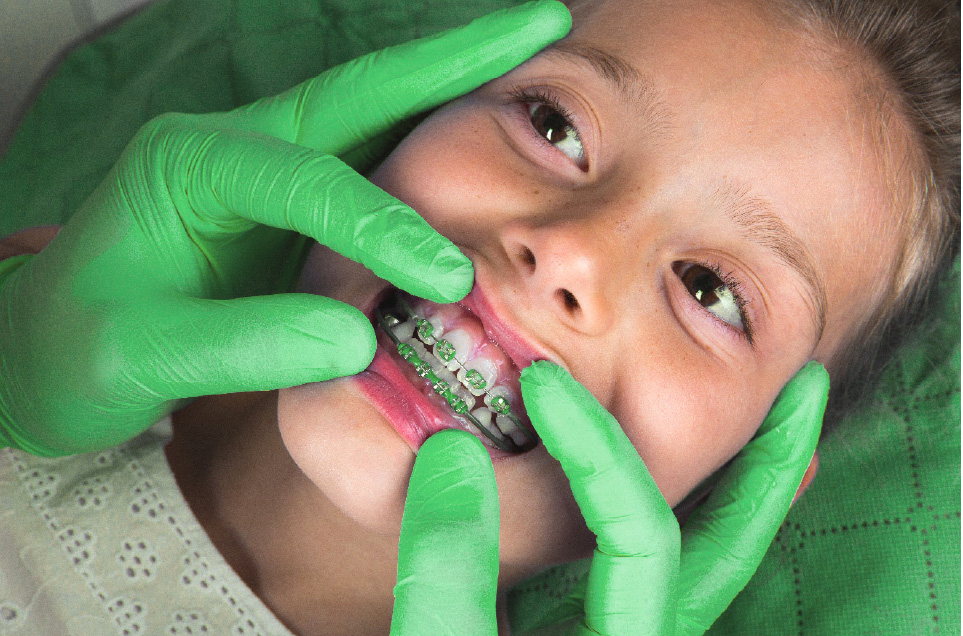
Metal braces use stainless steel brackets and wires, while ceramic braces use tooth-colored or clear brackets that blend in with your natural teeth. They work the same way and move teeth just as effectively, the real difference comes down to visibility, durability, and cost. Metal tends to be the more affordable, more durable option, while ceramic is the choice for anyone who wants a less noticeable look during treatment.
Yes, ceramic braces move teeth just as effectively as metal braces and can treat the same range of bite and alignment issues. The brackets are simply made from a different material, tooth-colored composite instead of stainless steel, so treatment time and results are generally comparable. Your orthodontist will let you know if your specific case is better suited to one over the other.
Ceramic braces typically cost a bit more than metal braces, often a few hundred to over a thousand dollars more, because the brackets themselves are pricier and slightly more fragile to work with. At Pure Orthodontics, both options are covered under our 0% interest, no credit check payment plans, so the cost difference doesn't have to be a barrier either way.
Ceramic brackets themselves resist staining well, but the clear elastic ties that hold the wire in place can pick up stains from things like coffee, red wine, and curry if they're not swapped out regularly. Most orthodontists change these ties at every adjustment appointment, which keeps staining from becoming noticeable. Good brushing habits also go a long way here.
Ceramic brackets are more brittle than metal ones, so they're a bit more prone to chipping or cracking, especially if you bite down on something hard. They're still durable enough for everyday use, but avoiding hard or crunchy foods like ice, hard candy, and whole apples matters more with ceramic than it does with metal.
Most people wear either type for 12 to 24 months, and the material itself doesn't really change that timeline, tooth movement speed depends more on your bite complexity than on whether the brackets are metal or ceramic. Your orthodontist will give you a specific estimate once they've mapped out your treatment plan.
Metal braces are usually the go-to for kids and younger teens since they're more durable and can handle an active lifestyle, sports, snacks, and all, without much worry. Older teens who are more mindful about appearance sometimes prefer ceramic for a less visible option, as long as they're diligent about avoiding foods that could chip or stain the brackets.
Absolutely, ceramic braces are a popular choice among adults specifically because they're far less noticeable than traditional metal brackets, which matters for a lot of people in professional settings. They're a good middle ground between the visibility of metal braces and the higher cost of clear aligners, and Pure Orthodontics can walk you through which option fits your bite, budget, and lifestyle at a free consultation.